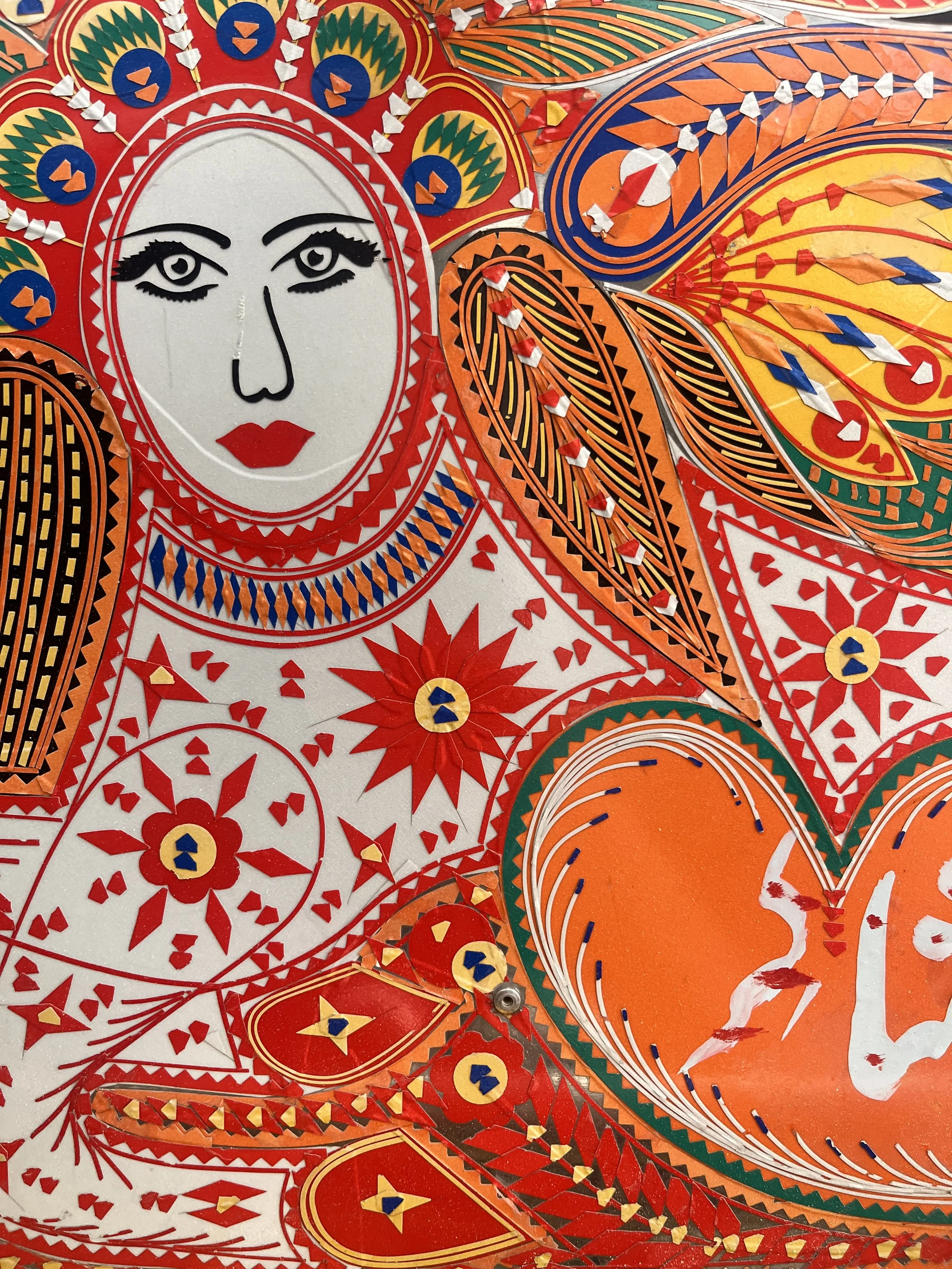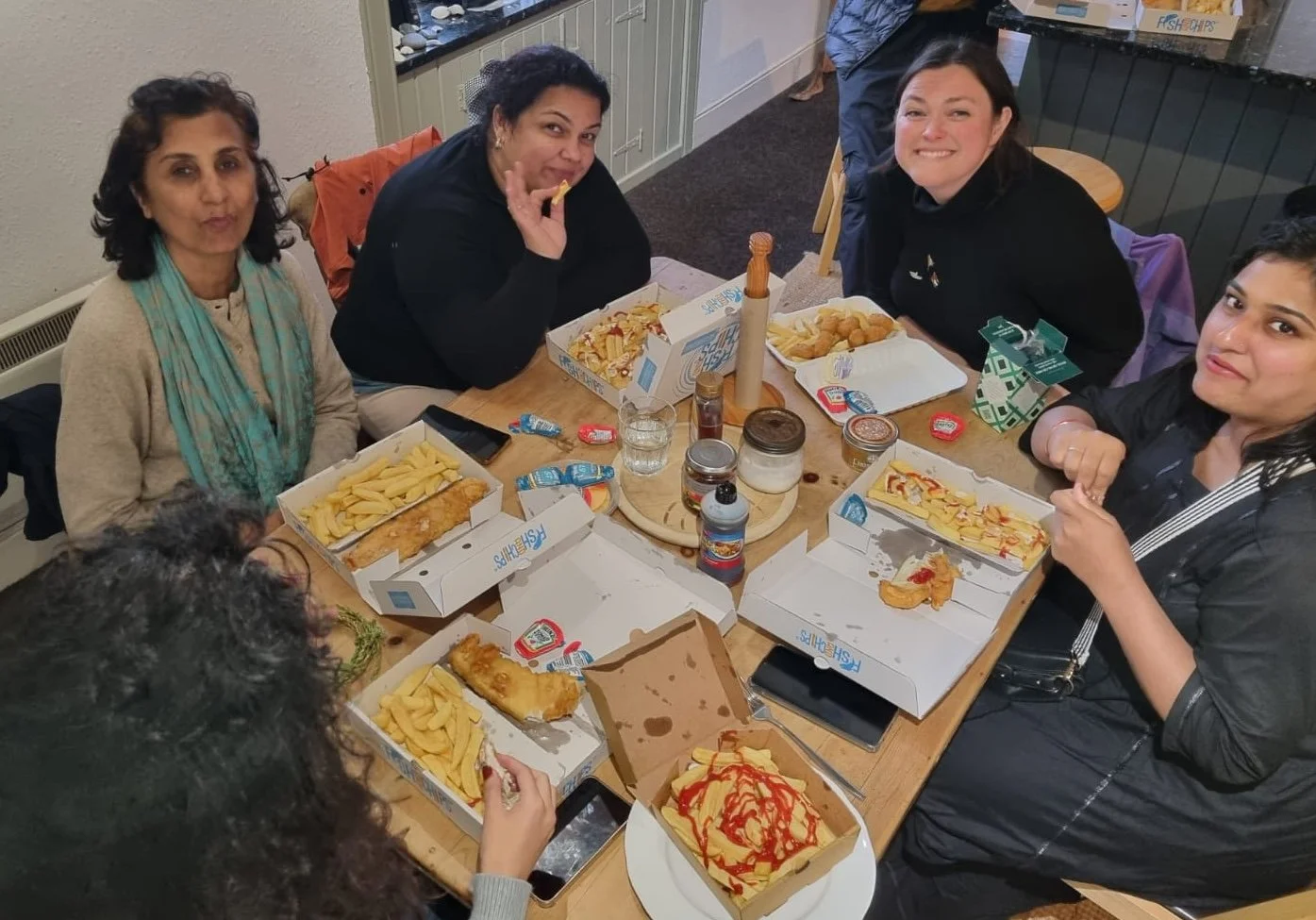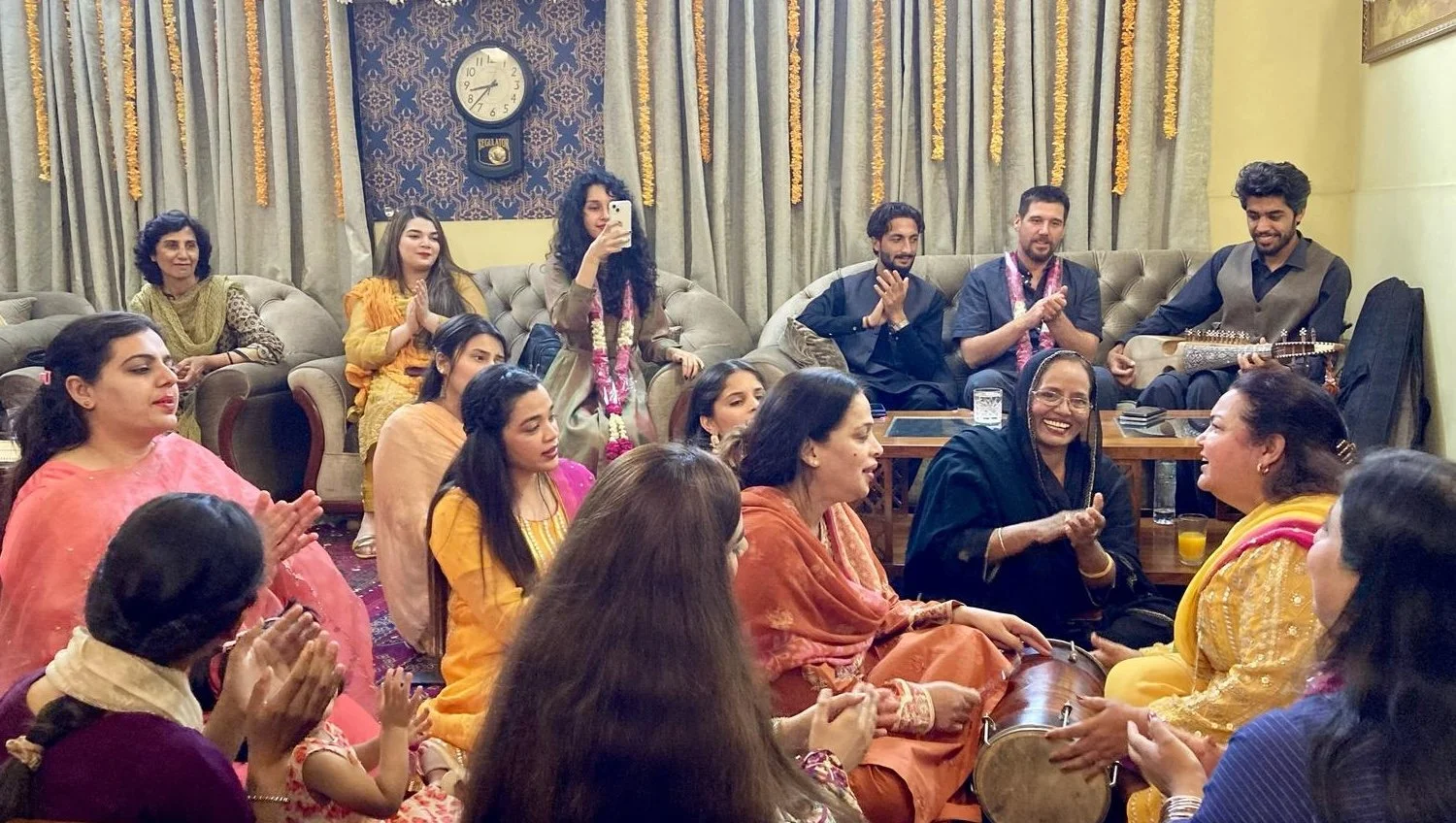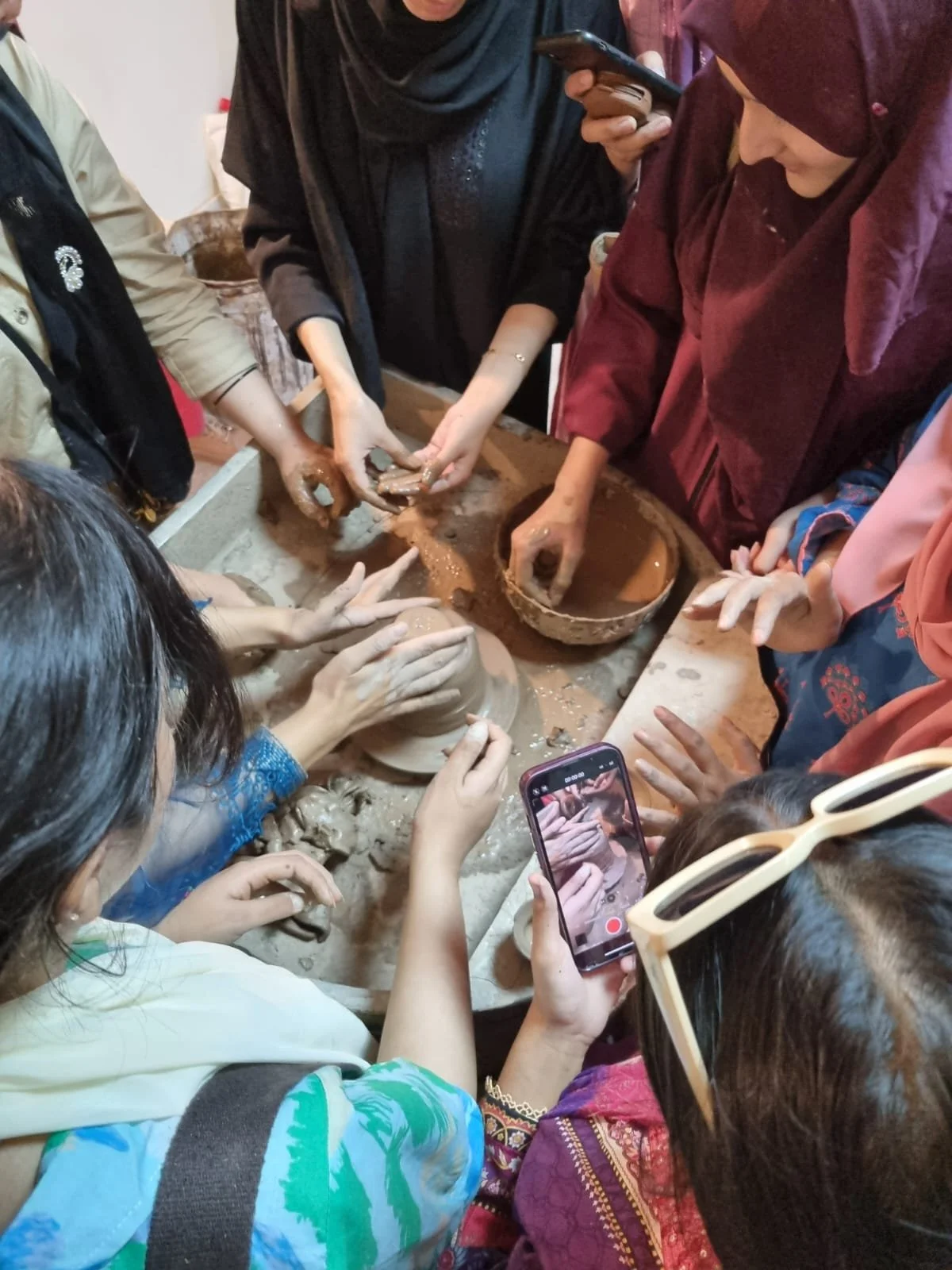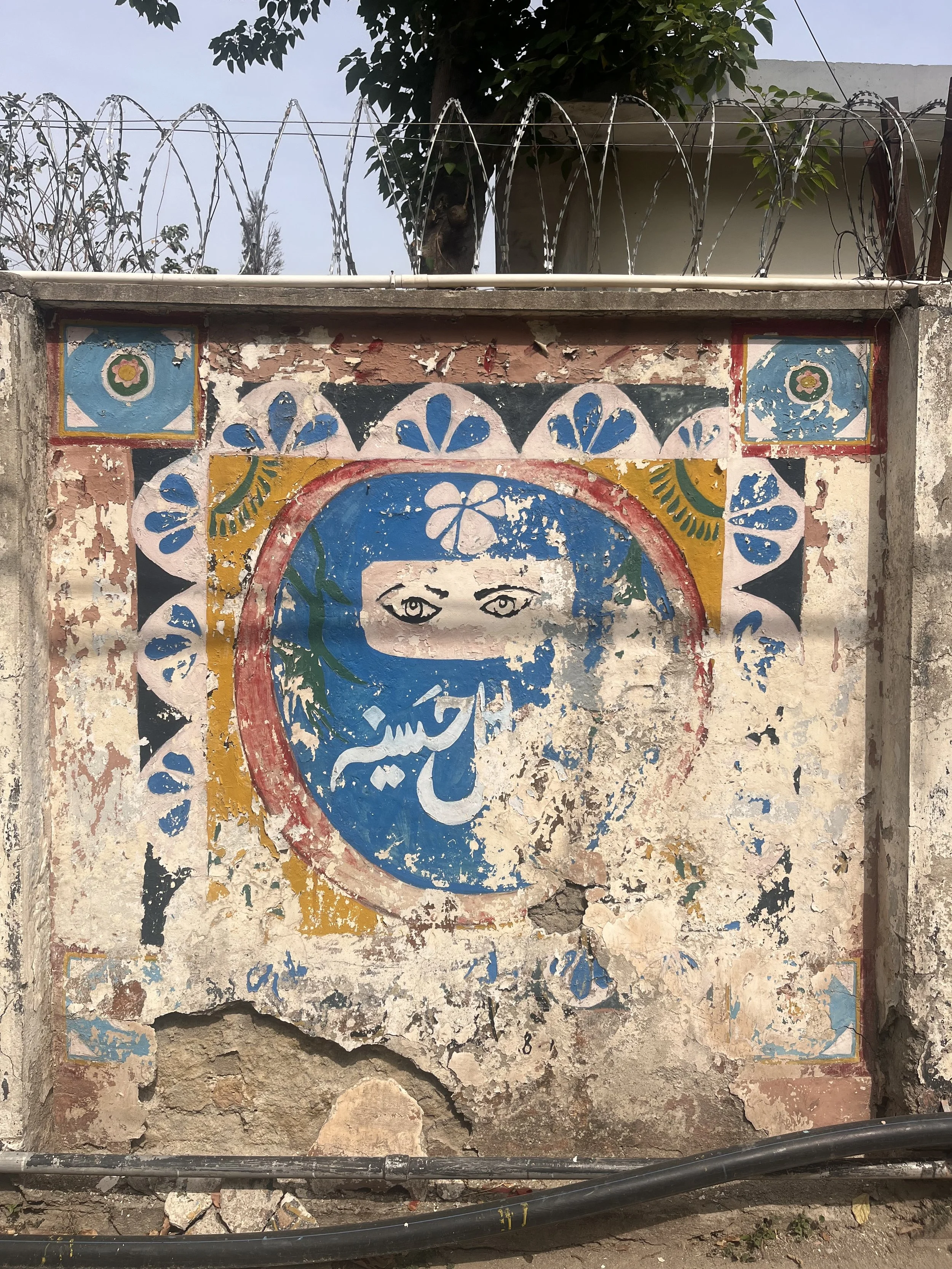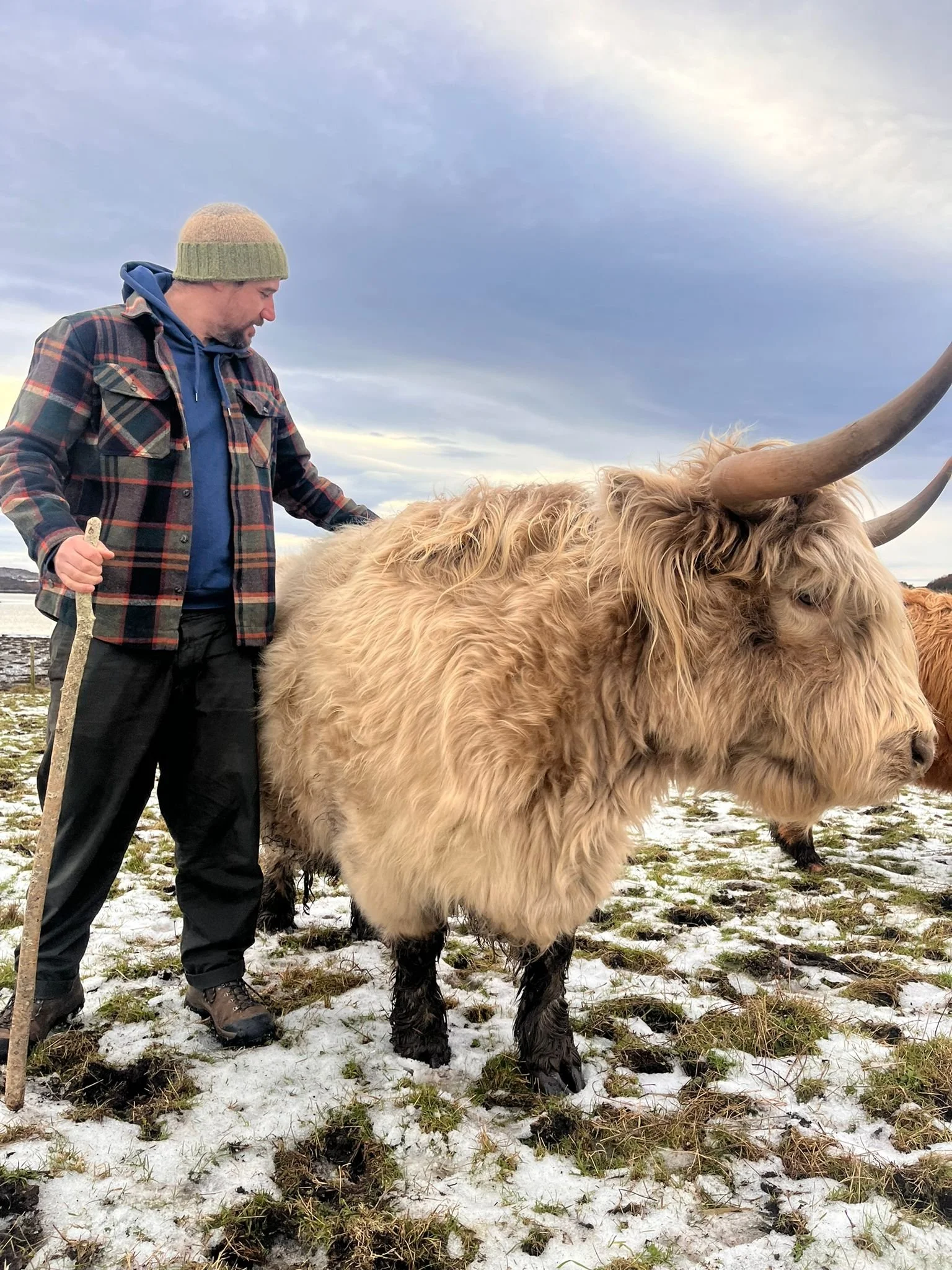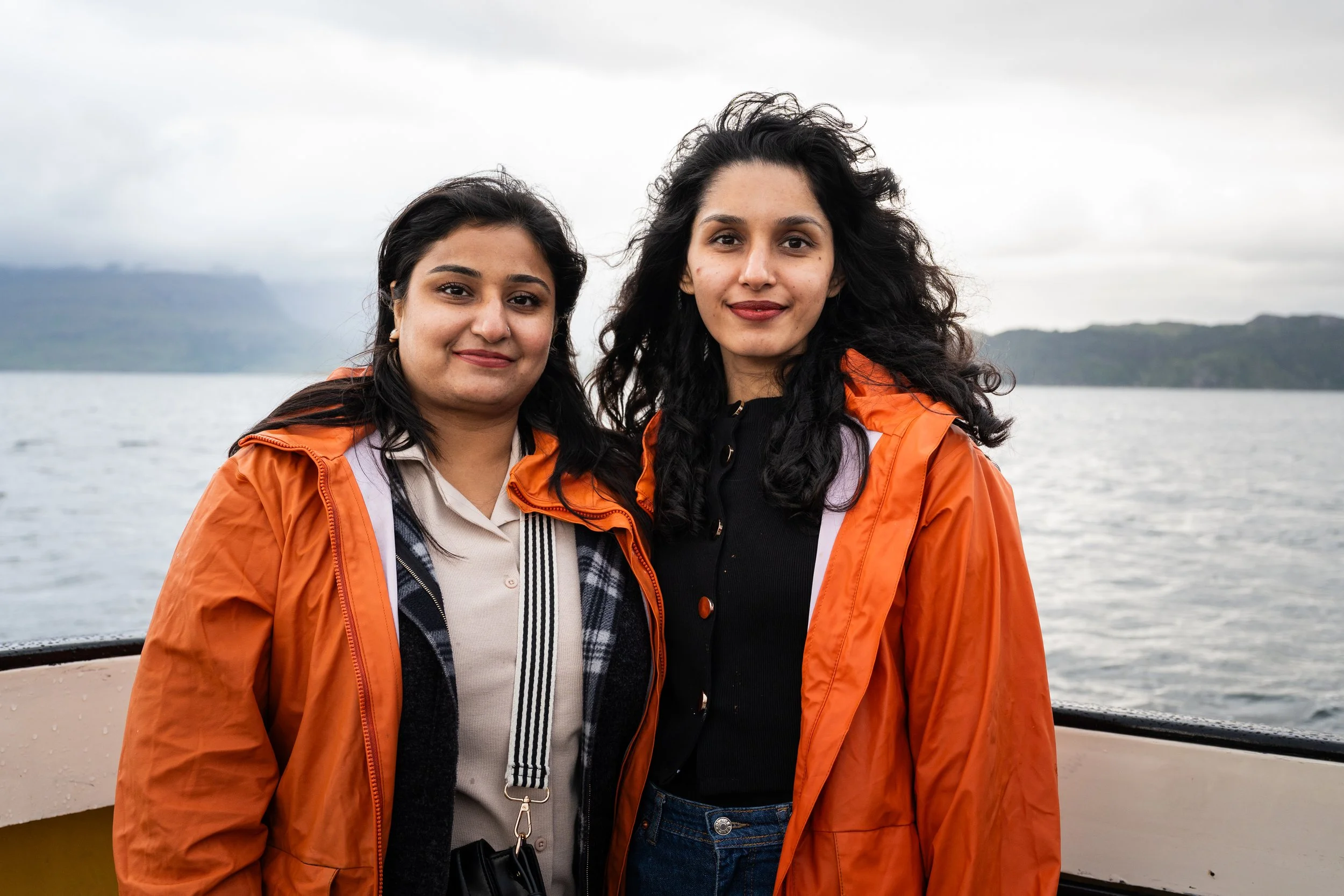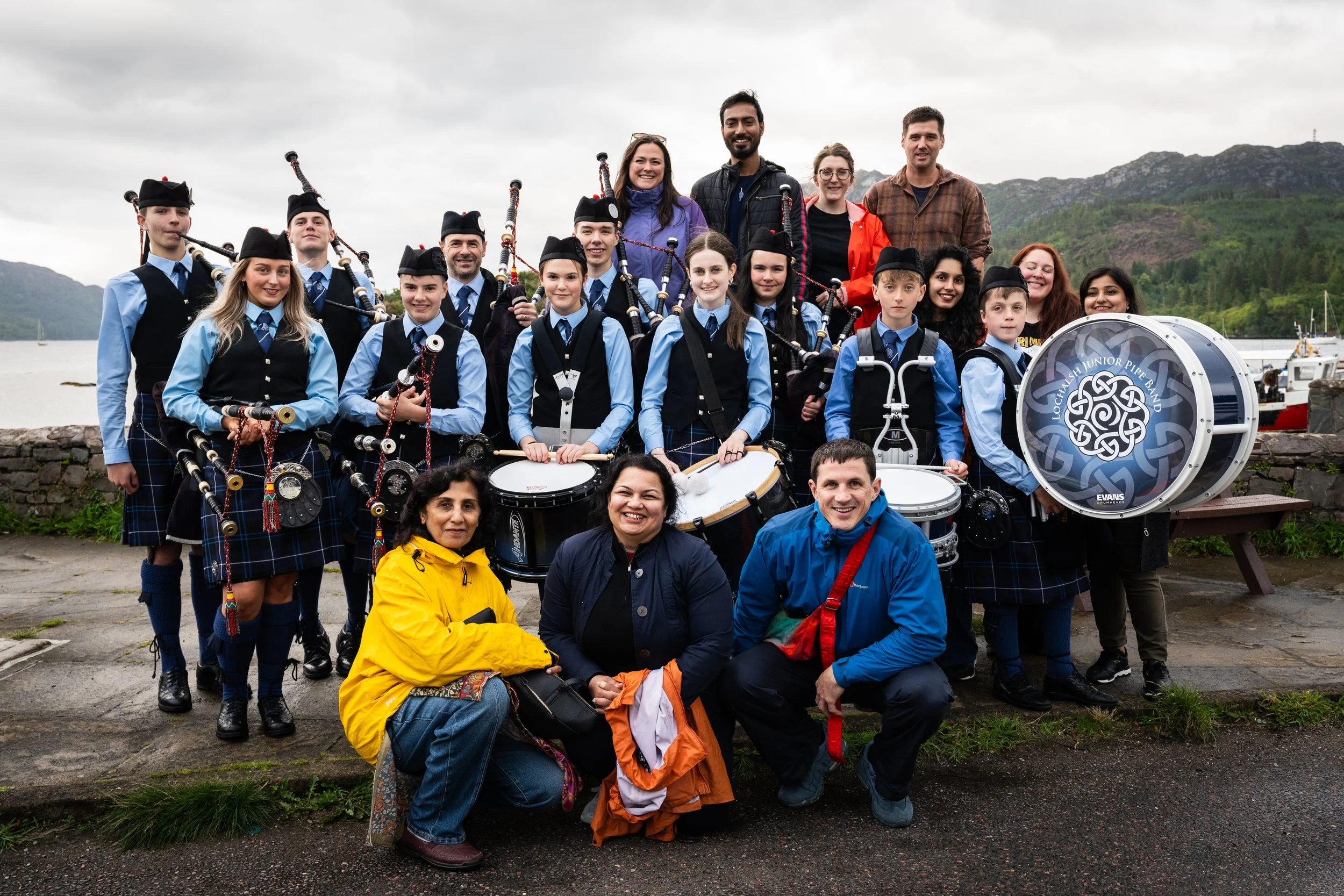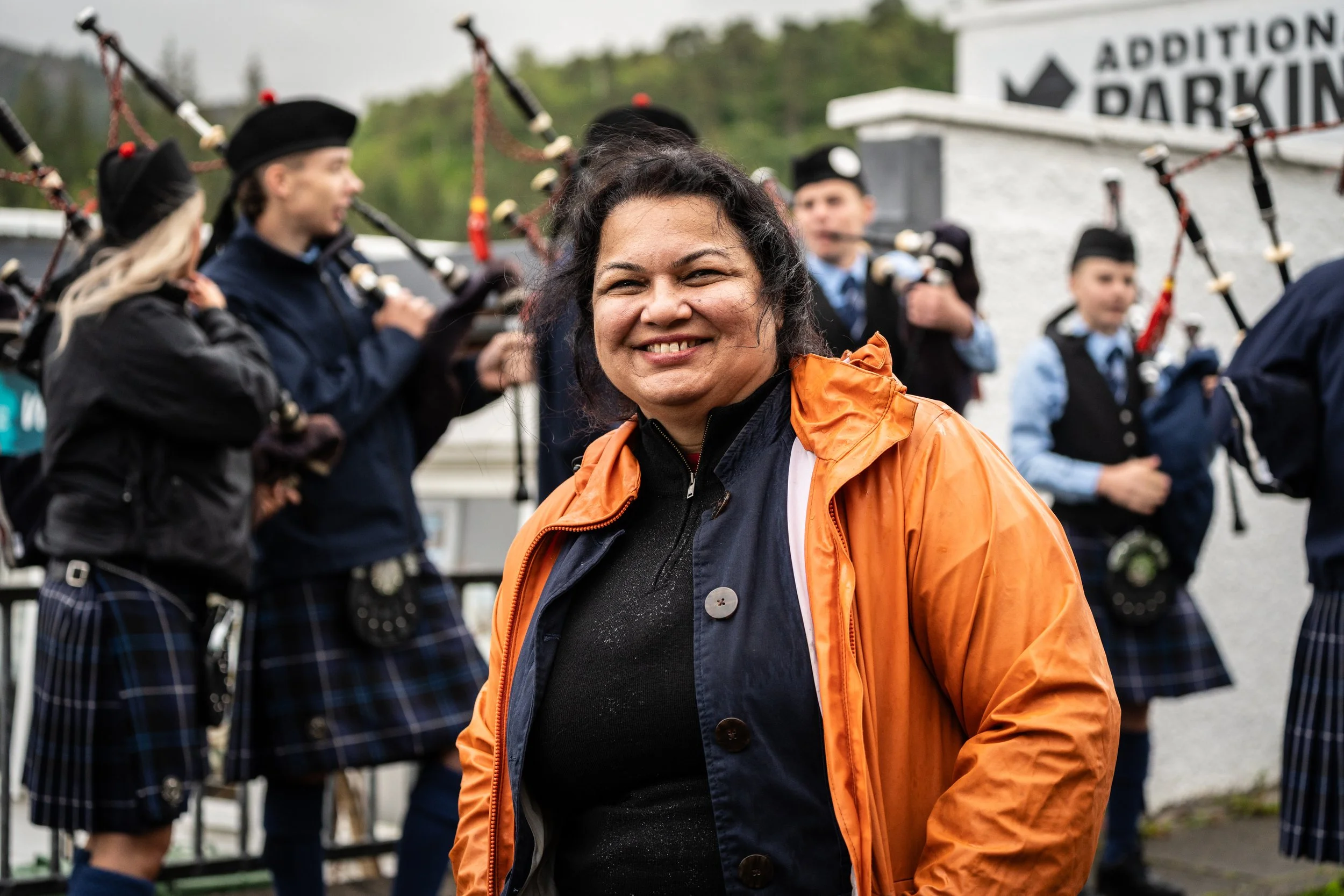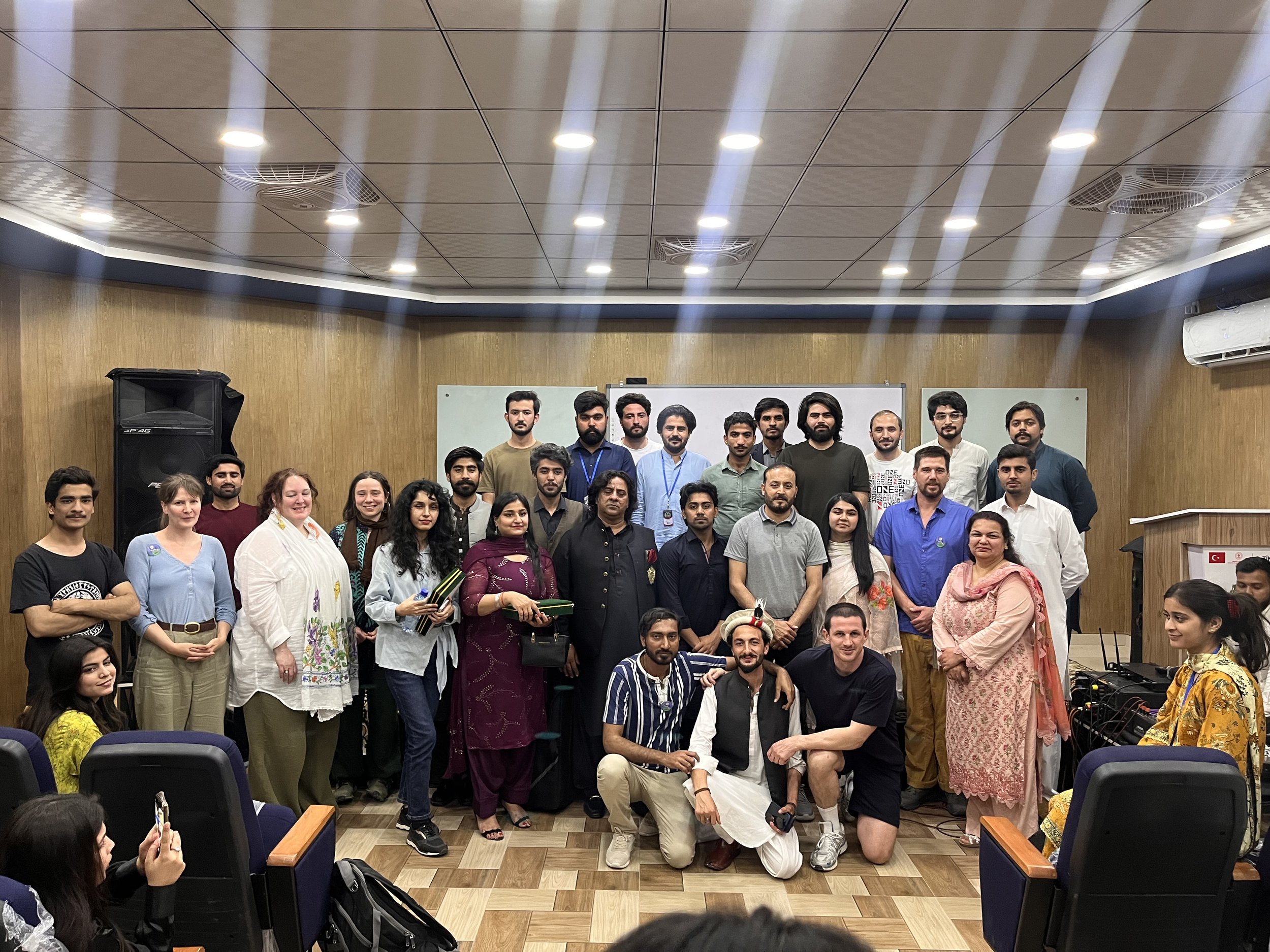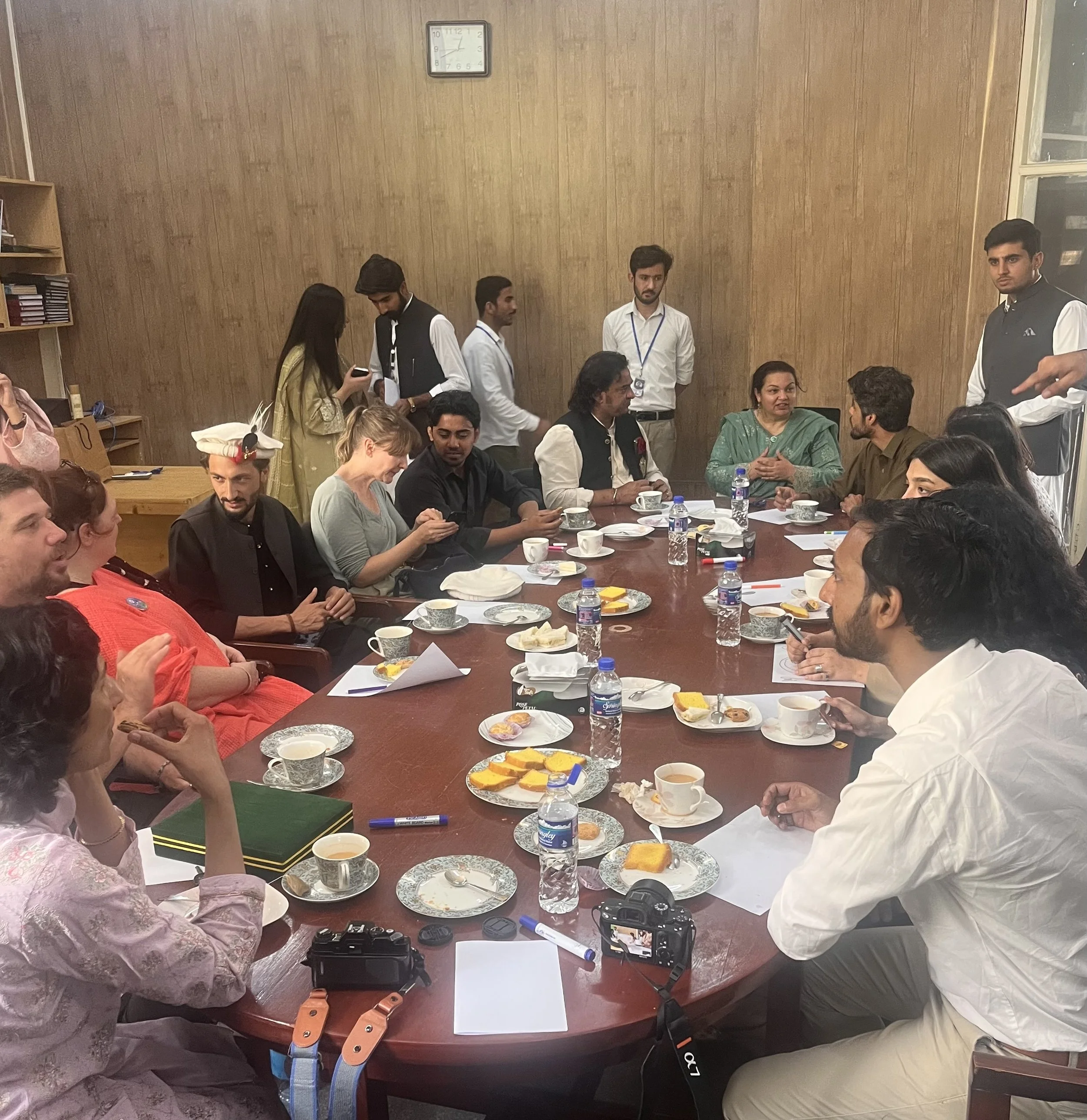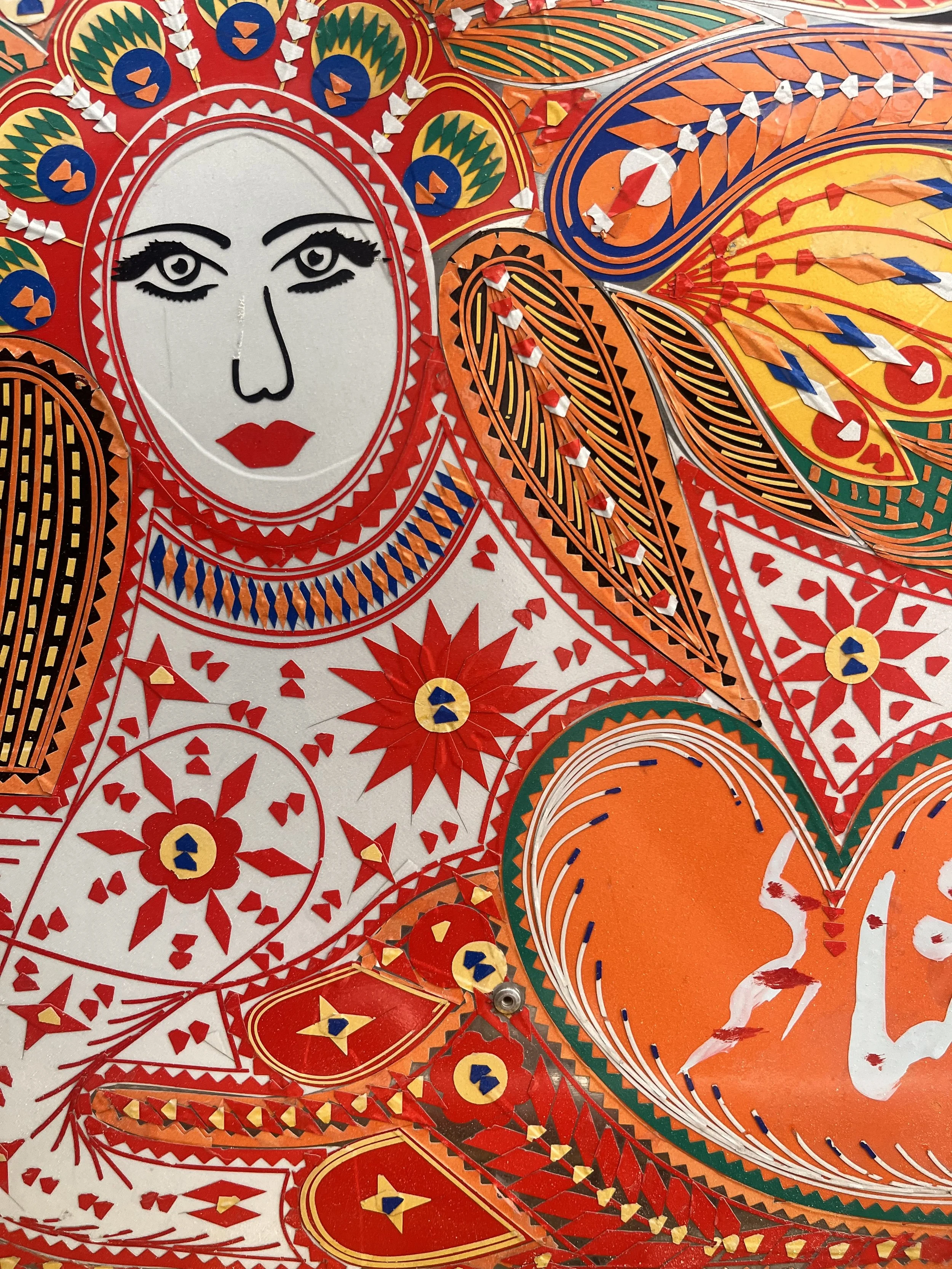
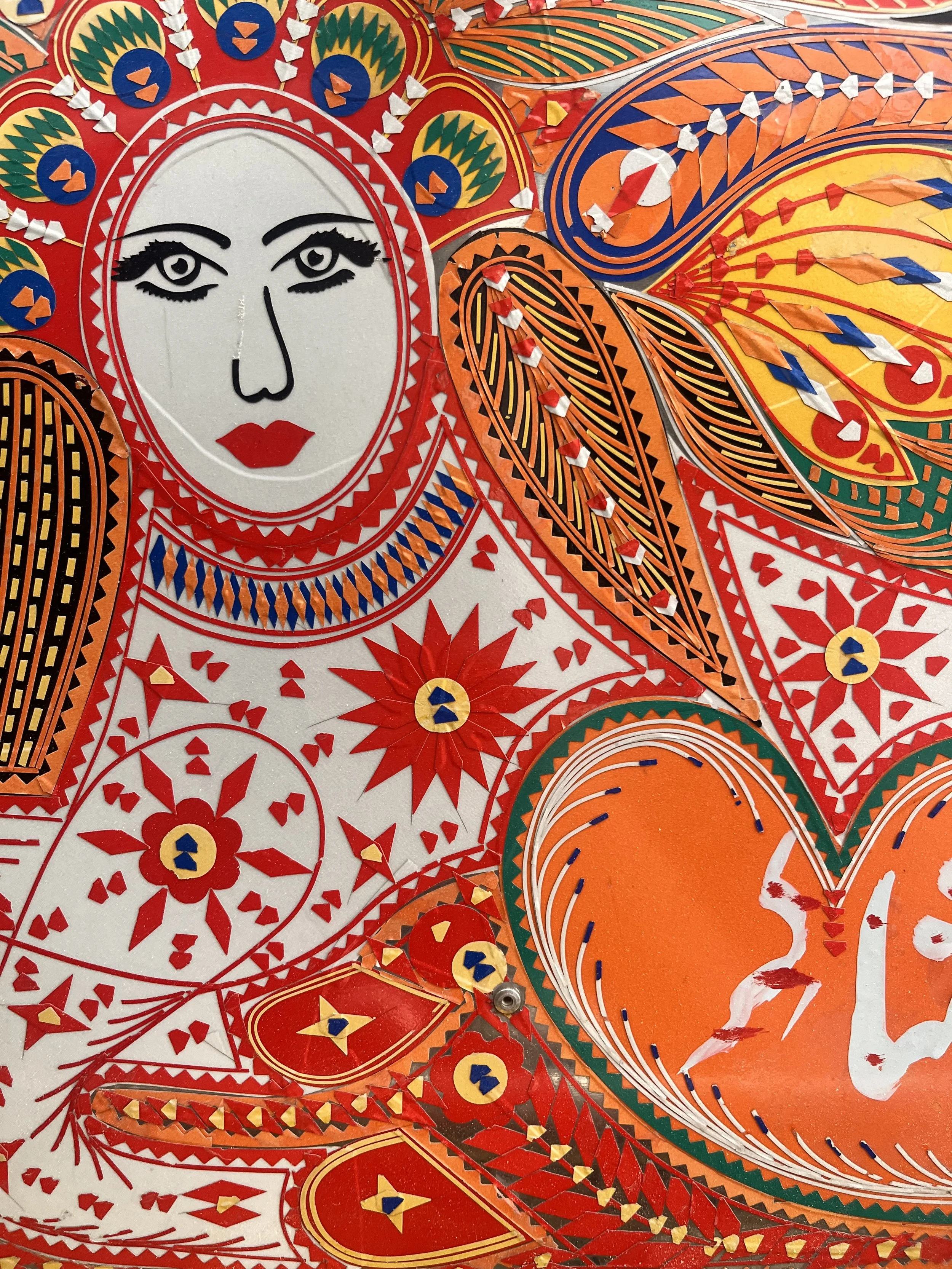
In 2025, three organizations Atlas Arts, The British Council and Quaid-i-Azam University, came together to support an international cultural exchange between five artists from Skye and Lochalsh, Scotland, and five artists from Lahore and Islamabad, Pakistan. This project was called the Mehfil-Cèilidh.
Alongside bagpipe playing, Dr Mackie was a principle part of this project. He helped to shape the original vision and was a key part of the grant-writing team. During both exchanges he lead and supported in numerous administrative aspects. Dr Mackie is producing a film-documentary about the project and is the editor of the Mehfil-Cèilidh book, which will be published by The Making Public Press in 2026.
Mehfil-Cèilidh was supported by the prestigious British Council International Collaboration Grant. The grant was highly competitive, with over 1,400 applications and only 23 projects funded.
The Mehfil-Cèilidh was inspired by a combination of the Urdu and Hindi term ‘mehfil,’ this refers to a gathering or assembly, typically for the purpose of enjoying music, poetry, or other forms of art. In Scottish Gaelic, a ‘cèilidh’ means visit or gathering, and refers to an event that might include storytelling, poetry, music, and dancing. Combined, the Mehfil-Cèilidh, respected difference and sameness, and the healthy aspiration of people in community being there for one another.
The Mehifil-Cèilidh had several outcomes:
It supported arts and culture.
It encouraged artists out of galleries and community members out of their homes. With free dance events, food-sharing, and discussions an alternative social life was created to remind people of the importance of being together.
It intervened in the universities objectification of community. Community-based artists were taken into universities for students and faculty to learn from.
It fought back against separatist warmongering colonial propaganda. This was done by breaking bread and having a good laugh with people from cultures that are usually forced in to competition and conflict.
It gave community-based traditional artists the opportunity to travel internationally. The project also ensured they were appropriately compensated.
It struggled for the representation of women and non-binary artists; they made up the majority of both traveling cohorts.
It created international webs of solidarity and hope. A legacy of Mehfil-Cèilidh is the caring relationships that have been made, these will be maintained for generations.
It made mistakes and many foreseeable and unforeseeable problems were encountered along the way. These are learning experiences that will be used to inform the work being done in the future.